


Romance Is Dead, and Netflix Killed It

There is a strange, specific kind of nostalgia gripping modern audiences: a collective ache for a cinematic era many of us barely lived through. Scroll through social media today and you will not find viral edits of the latest streaming romantic comedy. You will find a loop of Heath Ledger dancing across concrete bleachers, Alicia Silverstone spinning in a yellow plaid skirt, Jennifer Garner sobbing over a pink plastic dollhouse.

This is not simply retro aesthetic appreciation. For a lot of us, young and old, it is genuine mourning for a genre that has lost its soul. We keep searching for the warmth and emotional honesty of the old rom-coms, because the current landscape has left us cold.
The Vanishing Warmth: Why Cinematography Matters
To understand why the 90s and 00s rom-coms maintain such a lethal grip on our collective psyche, we must first look at the visual language of these films. There was a distinct warmth to the cinematography of that era.
Shot largely on 35mm film, these movies were bathed in honey-toned lighting that made the worlds feel lived-in and undeniably human. The sunlight streaming through a high school courtyard or the ambient glow of a messy teenage bedroom felt textured and real.
Compare this with the visual wasteland of the modern 2020s romantic comedy. Today, we are subjected to what industry critics and audiences alike have dubbed "Netflix lighting". It is a flat, ultra-soft, heavily digitized aesthetic devoid of deep shadows or dynamic contrast. This lighting strategy, designed to ensure that a movie looks exactly the same on a massive OLED television as it does on a cracked iPhone screen on a brightly lit train, strips the frame of any intimacy or mood.
Modern rom-coms look less like cinema and more like high-budget mattress commercials. When the visual environment feels sterile and artificially illuminated, the emotions playing out on screen will inevitably follow suit.
We Traded Yearning for Hookups
The stark contrast between the two eras goes far deeper than cinematography. The narratives of the romantic comedy has shifted, and in doing so, it has betrayed its audience. The golden age of the genre understood a crucial rule: people do not watch romantic comedies to watch people have sex; they watch romantic comedies to feel things.
The best films of the 90s and 00s were never inherently sexualized. They thrived on the agonizing tension of the build-up. They focused heavily on the emotional and psychological aspect of falling in love, rather than the physical mechanics of it.
Modern romantic comedies mistake physical intimacy for emotional depth. They fast-track the characters into bed, spending the remainder of the runtime navigating the messy aftermath of a physical hookup. This approach entirely robs the audience of the yearning, the prolonged glances that actually makes a romance compelling. We have traded the soul-stirring slow burn for hollow gratification.
Family Was the Secret Ingredient
The genre’s classics never treated romance as something happening in a vacuum. They were family-oriented and rich with subplots that grounded the central love story, because who we love is inextricably tied to who we are and where we came from.
A few examples make the point clearly.
13 Going on 30 (2004)
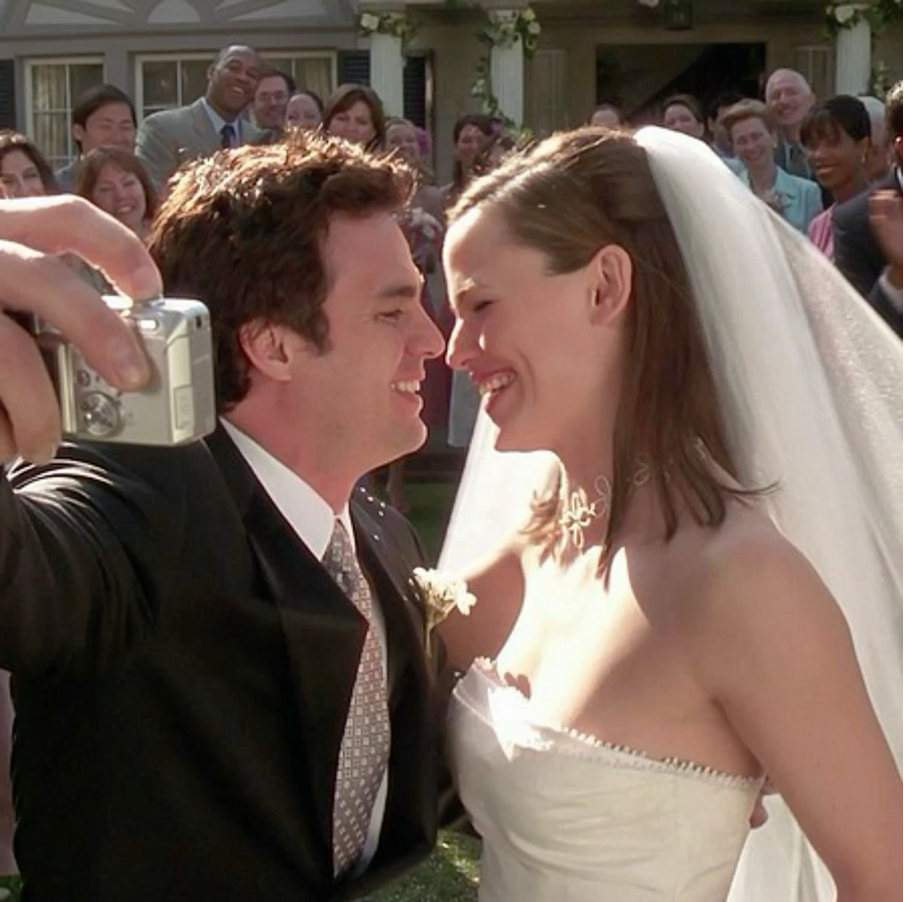
On paper, it is a fantastical body-swap comedy. In execution, it is a devastating study of grief for a lost childhood and the realisation that adulthood is not the glamorous thing we imagined. The romance between Jenna Rink (Jennifer Garner) and Matt Flamhaff (Mark Ruffalo) is not built on instant attraction; it is rooted in shared history. The emotional climax does not happen in a bedroom. It happens on a dilapidated porch, and later in a childhood closet, as Jenna reckons with the life she rushed past.
Clueless (1995)

A sharp adaptation of Jane Austen’s Emma, and still the gold standard for writing a young female protagonist. Cher Horowitz (Alicia Silverstone) could easily have been shallow. Instead she has real kindness and a genuine, if misguided, desire to do good. Her romance with Josh is built on intellectual sparring and a slow-dawning respect, but the film is just as interested in her relationship with her father, her friendships, and her own moral awakening.
10 Things I Hate About You (1999)

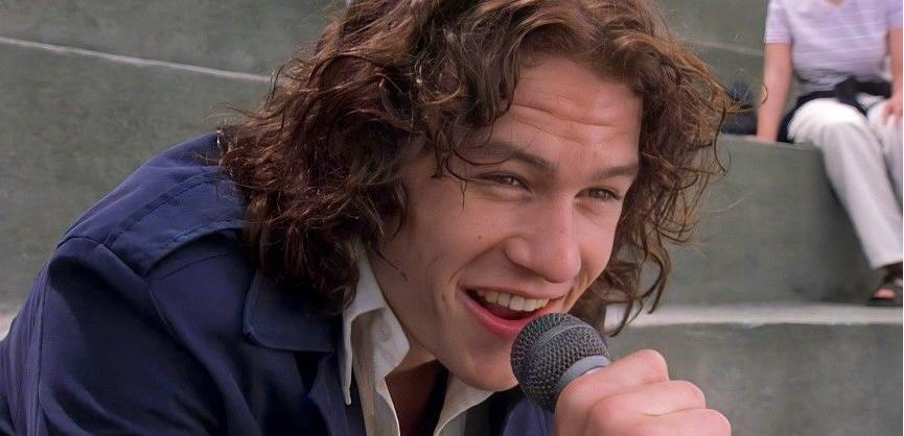
Shakespeare’s The Taming of the Shrew, transplanted to a Seattle high school, captures teenage angst with ease. The romance between Kat (Julia Stiles) and Patrick (Heath Ledger) is the headline, but the film’s real strength is the fractured relationship between Kat and her sister, and their father’s fear-driven overprotectiveness. When Kat finally lowers her guard, the payoff lands because the film has done the work.
These films also gave us what modern rom-coms seem to have quietly retired: the grand romantic confession. Heath Ledger sprinting down stadium bleachers singing while dodging security. Kat reading a poem to her class through tears. These scenes work because the films were unafraid of earnestness, unafraid to let characters feel too much.
When the Script Fails, the Publicity Machine Takes Over
Not every recent attempt gets it wrong for the same reasons.

Jim Strouse’s Love Again (2023) had a genuinely promising premise: a grieving woman texts her dead fiancé’s old number, unknowingly reaching the journalist who inherited the phone. It is rich territory for exploring grief alongside the fear of moving on. Instead, the script is bland enough that it leans on Celine Dion, playing herself, to convince the audience that love is real. There is no grand confession, no rain-soaked plea, just two attractive people delivering focus-tested lines under lighting too even to hold any intimacy.

Then there is Anyone But You (2023), an adaptation of Much Ado About Nothing pairing Sydney Sweeney and Glen Powell. The film’s marketing became more talked-about than the film itself: rumours of real-life tension between the two leads circulated widely during the press tour, feeding public speculation well beyond the usual promotional cycle.
When a script cannot carry a film on its own, and the conversation around it becomes more compelling than the story itself, that says something about where the genre currently stands.
The tragedy of the 2020s rom-com is that it assumes the audience is stupid. It assumes we do not notice the flat lighting, the terrible dialogue, the absence of family dynamics, and the heavy-handed reliance on physical scenes to mask a lack of emotional chemistry. It assumes we do not crave the grand, sweeping confessions of the past. But the massive, ever-growing fanbase for the films of the 90s and 00s proves the industry entirely wrong. We are starved for earnestness. We are desperate for films that understand that falling in love is not just a physical act, but a terrifying, life-altering emotional reckoning.
The Industry Underestimates Us
If the industry wants to resurrect the romantic comedy, they need to turn the lights back on. They need to put the characters back in their family homes, surround them with messy, complicated secondary plots, and force them to actually talk to each other. They need to remember that the greatest romantic comedies are not about two beautiful people hooking up; they are about two flawed people realizing that life is better when shared.
Until modern cinema remembers how to write a love letter, we will continue to retreat to the past, hitting play on 13 Going on 30, Clueless, and 10 Things I Hate About You, finding comfort in the warmth of a time when movies actually wanted us to feel something real.
Edited by Kayla Greer


Comments