


12 Books to Read If You Loved the Backrooms

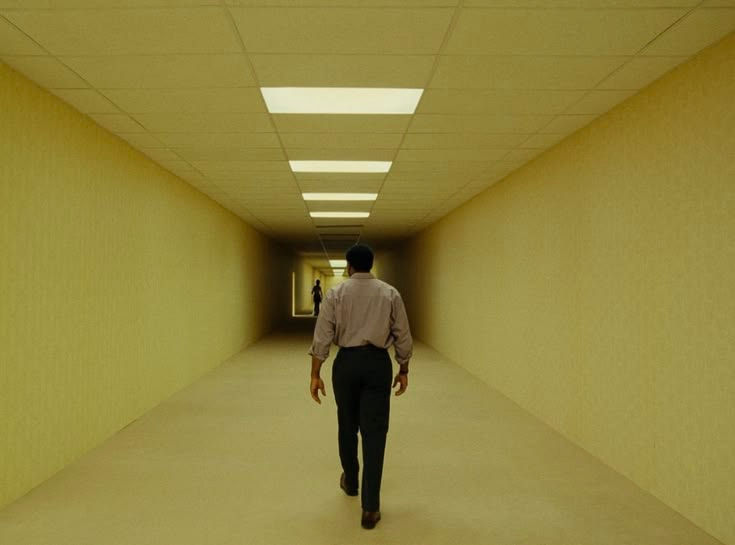
You know the feeling. Endless fluorescent-lit corridors. Carpet that smells faintly of damp. A room that should have an exit but somehow doesn’t. If you have spent any time on the internet in the last few years, you already know this as “the Backrooms”, the yellow-walled fever dream that started as a single unsettling photograph on 4chan in 2019 and grew into one of the internet’s biggest horror phenomena, complete with fan wikis, viral shorts from teenage director Kane Parsons, and now an A24 feature film.
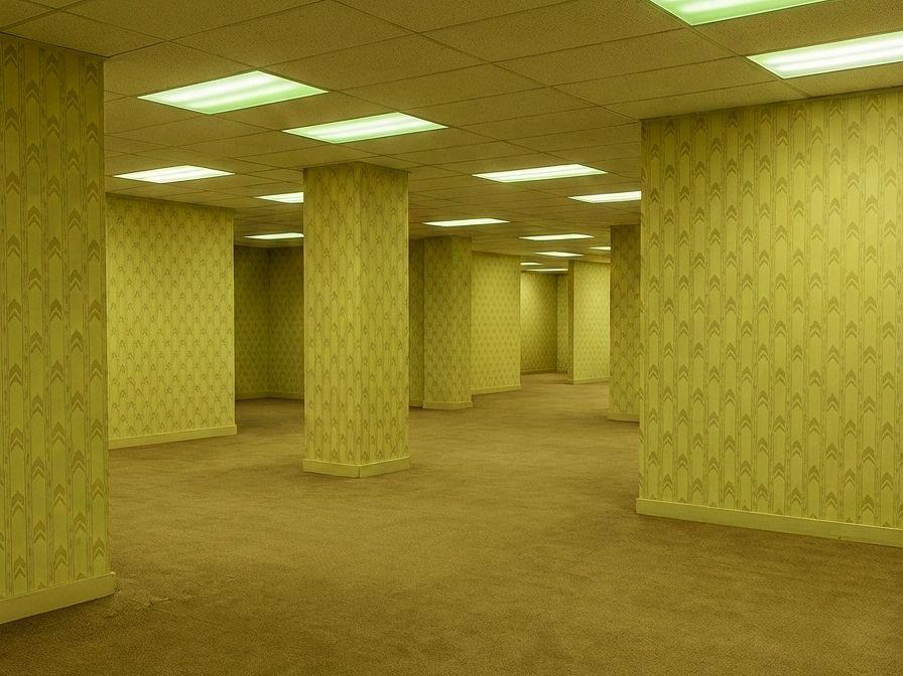
But the feeling behind the Backrooms, that specific dread of being somewhere familiar yet completely wrong, did not start on the internet. It has a name in architecture and psychology (liminality) and a long history in fiction. If the film has left you craving more of that particular flavour of unease, here are the books that do it best.
What Makes a Space “Liminal Horror”?
Liminal spaces are the in-between places: hotel corridors, empty car parks, school hallways after hours. They are usually busy, so when they are empty, something in your brain flags it as wrong. Horror writers have been mining that specific discomfort for decades, whether it takes the form of a house that is bigger on the inside, a road that should not exist, or an office with one too many floors.
Below are the books that get closest to that Backrooms feeling: dread built from architecture and absence rather than jump scares.
The Classics That Started It All
House of Leaves by Mark Z. Danielewski
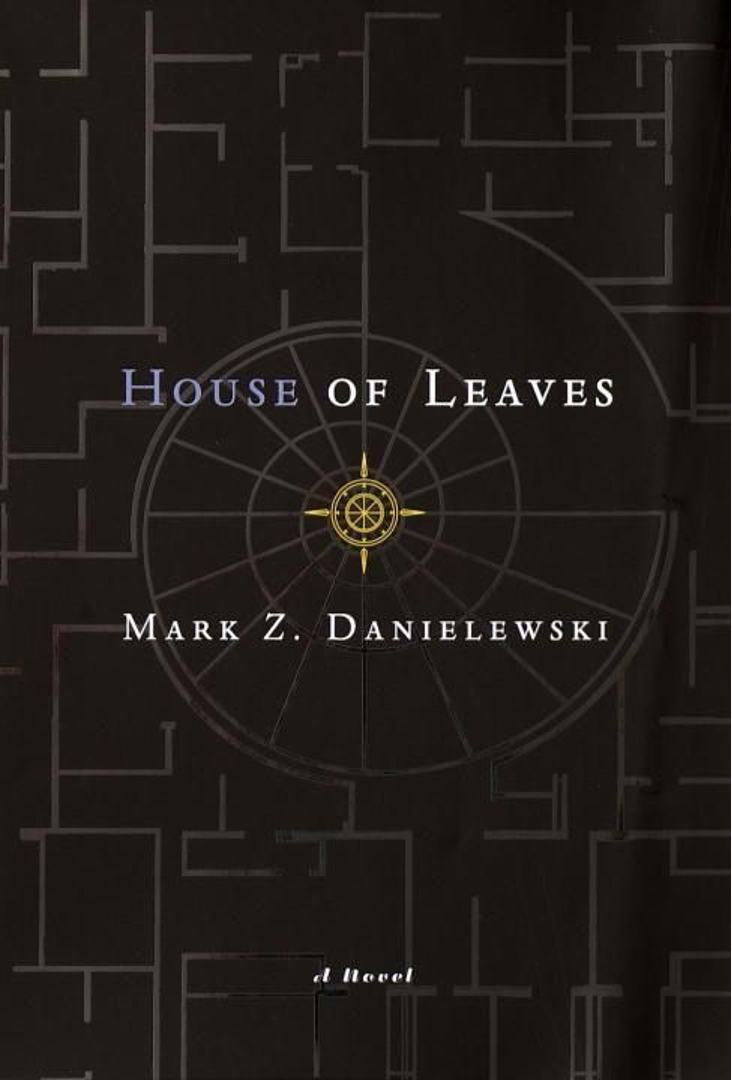
No liminal horror list is complete without this one. A family moves into a house that measures larger on the inside than the outside, and things unravel from there. The experimental typography (sideways text, footnotes within footnotes, pages with a single word) mimics the disorientation of the maze itself. It is a slow, demanding read, but nothing else replicates that specific vertigo of impossible architecture quite so well.
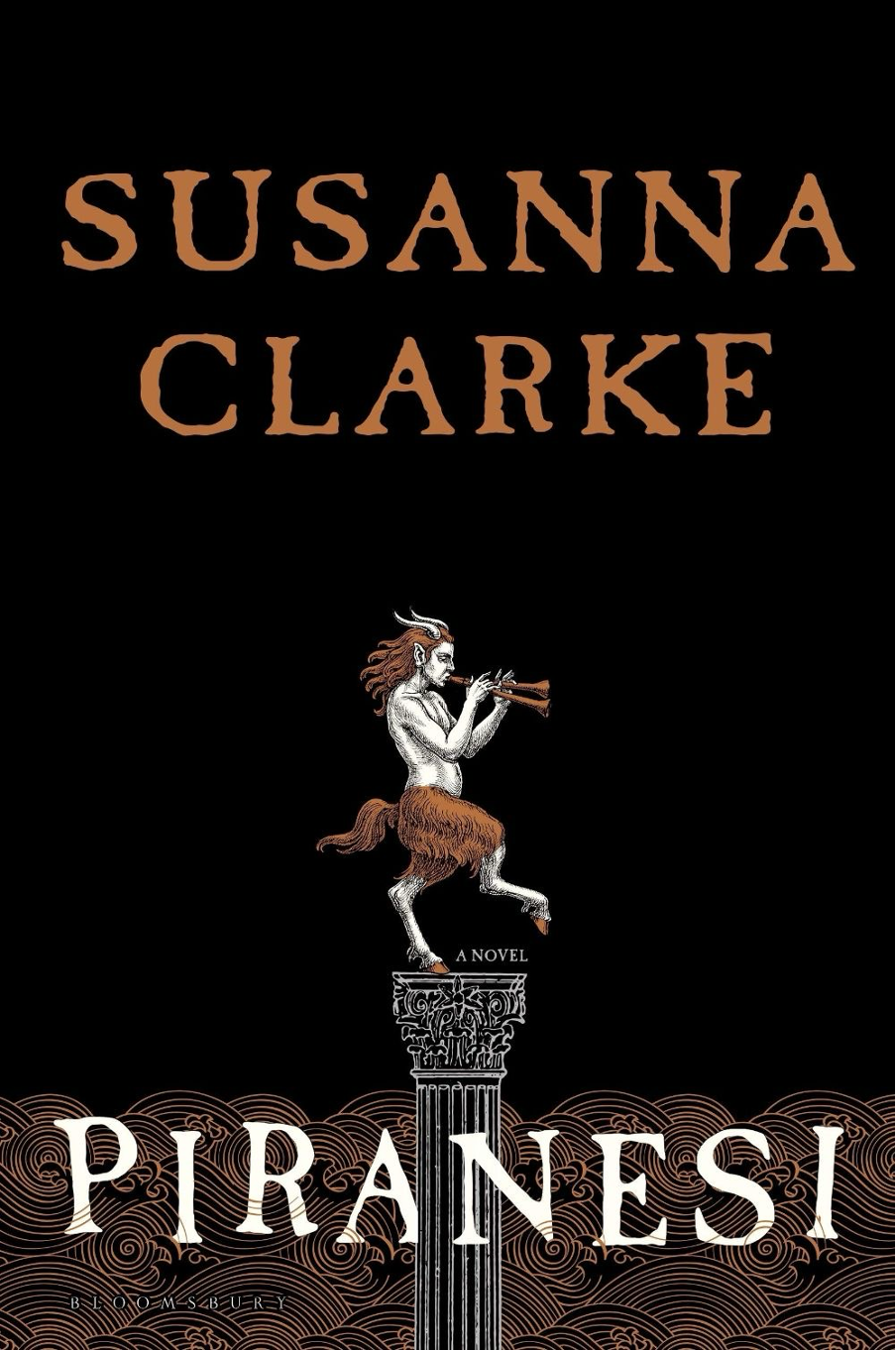
Piranesi by Susanna Clarke
A gentler entry, but no less unsettling. Piranesi lives inside an endless House of halls and vestibules, each one lined with statues, with tides that sweep through the lower floors and clouds drifting through the upper ones. As he catalogues his strange, beautiful world, the story slowly reveals what he has forgotten and why. Piranesi won the Women’s Prize for Fiction, and it proves that liminal horror does not have to be relentlessly grim to unsettle you.
Modern Liminal Horror Worth Your Time
The Hollow Places by T. Kingfisher

A screenwriter moves into her uncle’s odd little museum, and finds a hole in the wall that should not be there. Follow it, and you end up in an endless, silent, alternate world. Kingfisher’s prose is warm and often funny, which makes the cosmic dread hit even harder when it arrives.
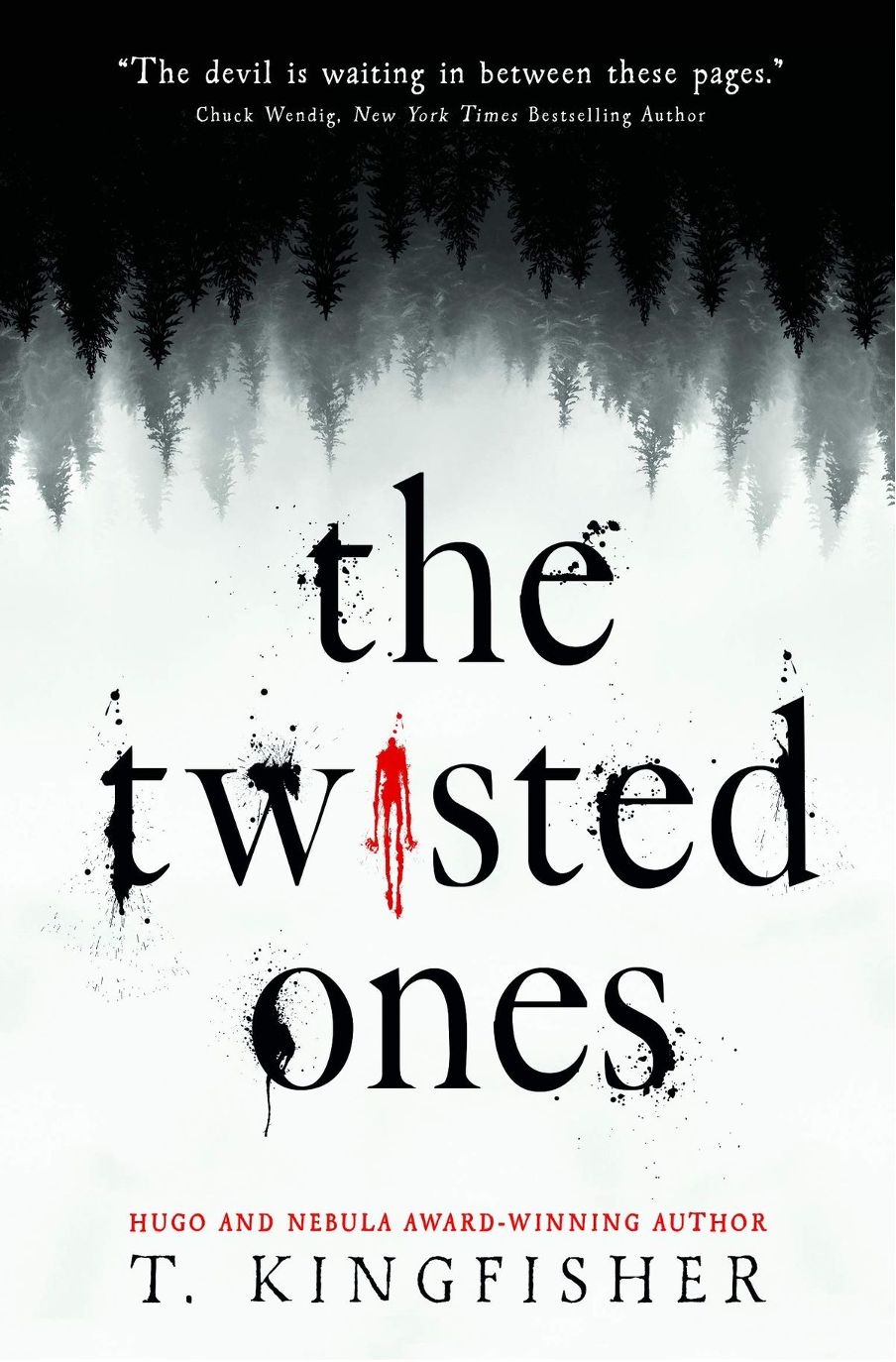
The Twisted Ones by T. Kingfisher
Kingfisher again, this time with a woman clearing out her late grandmother’s hoarder house, only to discover a mountain nearby that should not exist. If you want liminal horror rooted in rural isolation rather than architecture, start here.
Coup de Grâce by Sofia Ajram
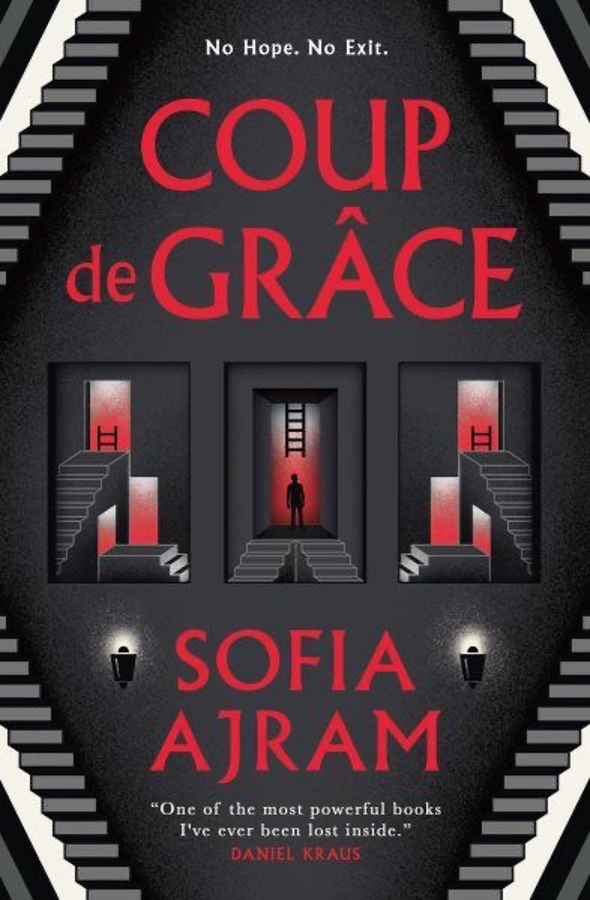
A woman gets on the Montreal metro intending it to be her last ride. Instead, the train never reaches her stop, and the tunnels stretch on forever. This is one of the most direct hits for Backrooms fans: a claustrophobic, endless transit system standing in for grief and isolation.

The Staircase in the Woods by Chuck Wendig
A group of childhood friends once found a staircase in the woods that led nowhere. Years later, it reappears, and they go back in. Wendig leans into the “impossible structure that should not exist” trope with real menace.
Rules for Vanishing by Kate Alice Marshall

Once a year, a road appears that supposedly leads to the land of the dead. A missing sister and a group of teenagers make the mistake of trying to find her along it. Told partly through an oral history format, it is unsettling in a way that lingers.
Weirder, Older Finds for the Curious
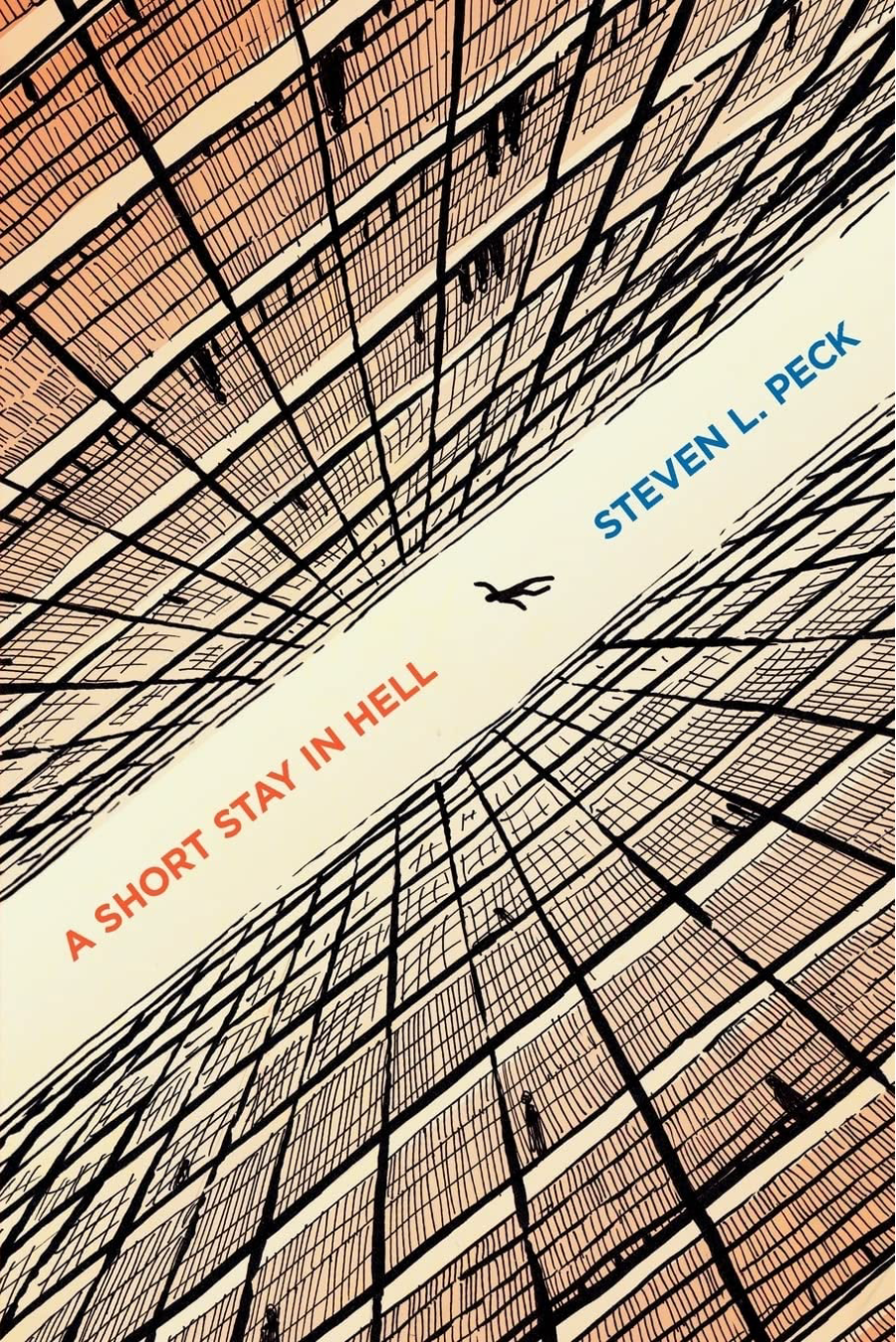
A Short Stay in Hell by Steven L. Peck
A man dies and finds himself in a version of the afterlife modelled on Borges’s Library of Babel: an unfathomably vast library containing every possible combination of letters, and a punishment that consists of finding the one book that tells the story of his own life. Bleak, brief, and philosophically unnerving.
Subcutanean by Aaron A. Reed

Two college students find a basement beneath their house that does not end. Halls, bedrooms and stairwells multiply the further down they go, along with doubles of people they know. This one is genuinely unusual: it is a “permutational” novel, meaning the text itself changes between copies, so no two readers get quite the same book.
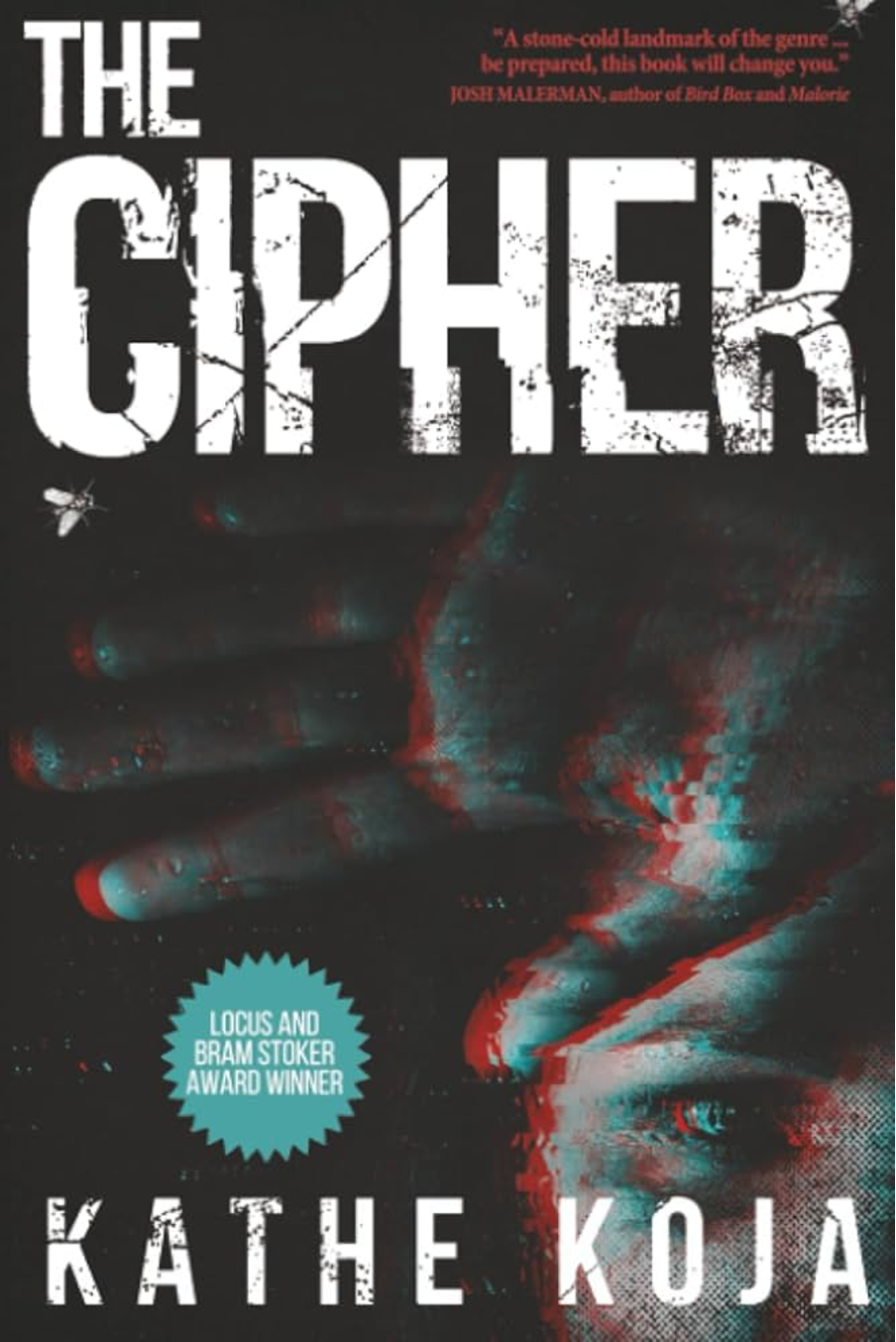
The Cipher by Kathe Koja
A cult classic of body horror and liminal dread. A couple discover a hole in the floor of a storage room, nicknamed the Funhole, and start dropping things into it to see what comes back changed. What begins as curiosity spirals into obsession and physical transformation.
Annihilation by Jeff VanderMeer
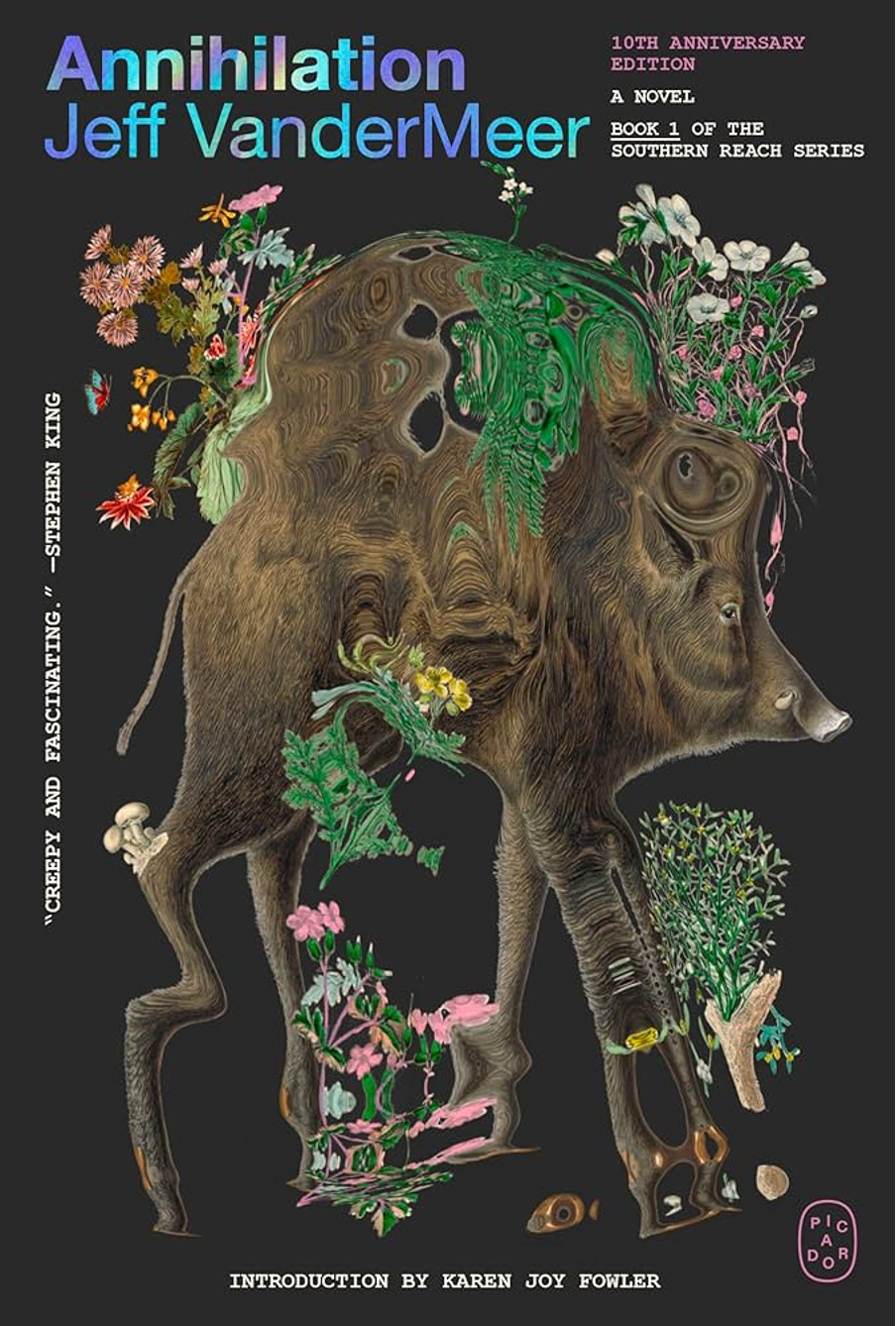
The first in the Southern Reach trilogy, following a team of scientists into Area X, a coastal zone where the landscape itself behaves like something alive and wrong. It trades corridors for wilderness, but the creeping, inexplicable strangeness is the same.

Apartment 16 by Adam Nevill
A locked, empty flat in a smart London building has sat untouched for fifty years, and nobody enters or leaves. When a young woman inherits a flat in the same block, she starts unravelling exactly why. Proof that liminal horror does not need a fictional dimension when a single, ordinary-looking door will do.
Where to Start
If you want the closest thing to the Backrooms film itself, start with Coup de Grâce or The Staircase in the Woods for that same sense of an ordinary space turning hostile. If you would rather ease in with something stranger and more literary, Piranesi is the gentlest entry point. And if you are ready to go all in, House of Leaves is the deep end.
Either way, maybe leave a light on. Just in case something is wandering around nearby.

Comments