


Behind the Gingham: What’s Really Going On With the Tradwife Trend

Somewhere between the sourdough starter and the perfectly ironed apron, a quiet revolution has been taking place on your For You Page. Women in florals, baking bread from scratch, folding laundry with a smile, and declaring, camera rolling, that their husband’s needs come first. Welcome to the world of the tradwife.

It looks soft, slow and undeniably pretty. But scratch beneath the linen and things get a lot more complicated.
What is a tradwife, exactly?
Short for “traditional wife”, the term describes women who embrace and publicly promote traditional gender roles, typically involving homemaking, child-rearing and deferring to a husband as the primary earner and decision-maker. It isn’t a new idea. What’s new is the platform.
The trend took off during lockdown, when creators began sharing curated glimpses of domestic life to millions of followers. Nara Smith, with well over 12 million TikTok followers, became known for making everything from scratch, from bread to boba tea. Hannah Neeleman, the Juilliard-trained dancer behind Ballerina Farm, documents life running a Utah farm while raising nine children. Others, like Estee Williams, are more explicit about the ideology behind the aesthetic, describing her marriage in terms of “biblical submission” and saying she doesn’t leave the house without her husband’s permission.
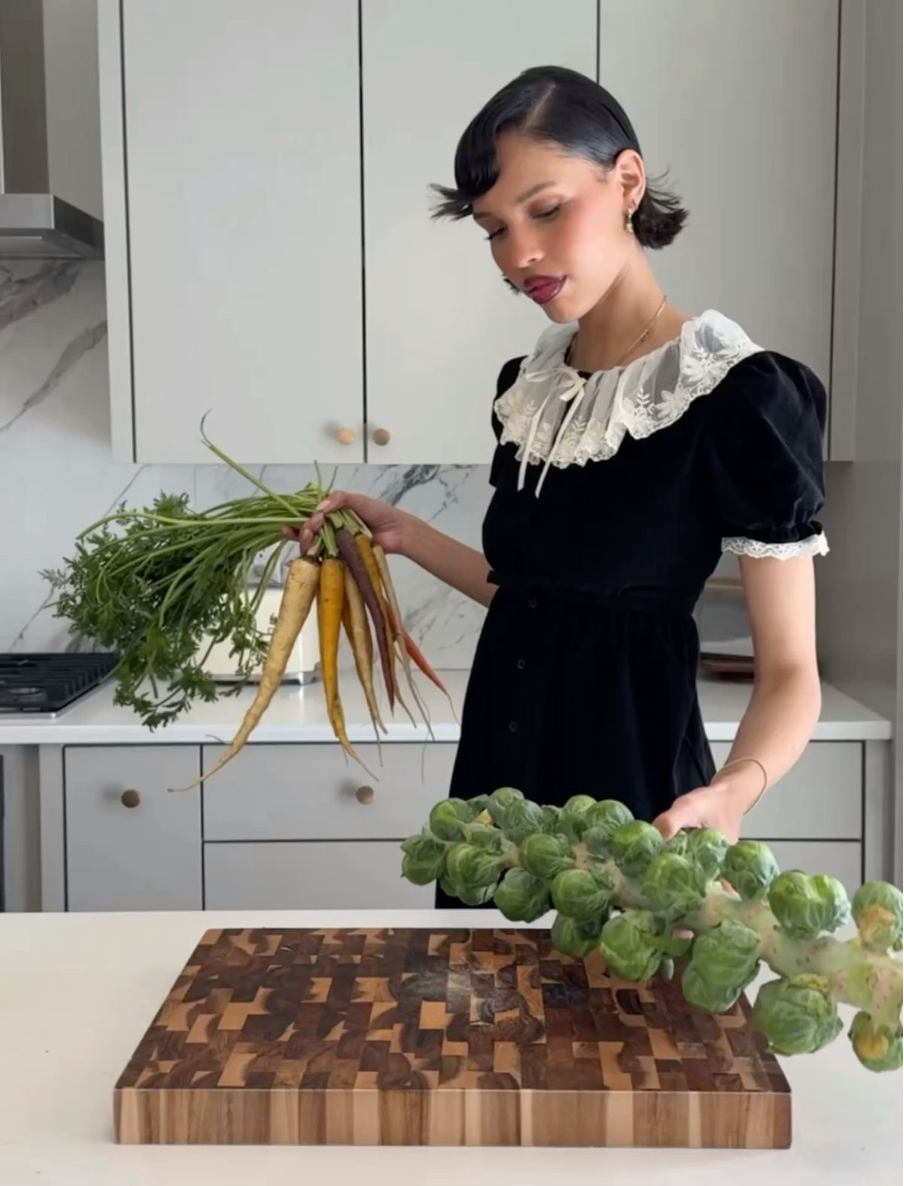
Some of these women reject the tradwife label entirely. Others lean into it as a badge of honour. Either way, the content performs extraordinarily well, and that’s precisely the point.
Why now?
It’s tempting to write this off as a fringe internet oddity, but the numbers say otherwise. A recent study from writing platform EduBirdie found that nearly half of Gen Z women surveyed were drawn to the tradwife lifestyle, citing the appeal of stability and a picture-perfect, one-income household. Pop culture analyst Julia Alexeenko put it bluntly: after years of being told to hustle harder under the “girlboss” banner, many women are simply tired.
That fatigue is real, and worth taking seriously. The generation before this one was sold the idea that career ambition and financial independence were the ultimate markers of a fulfilled life. For plenty of women, that promise came with relentless pressure and not much payoff. Add in genuine economic anxiety, a housing market that makes single-income living feel like fantasy for most, and an ongoing exhaustion with screens and hustle culture, and the appeal of a simpler, clearly defined role starts to make sense.
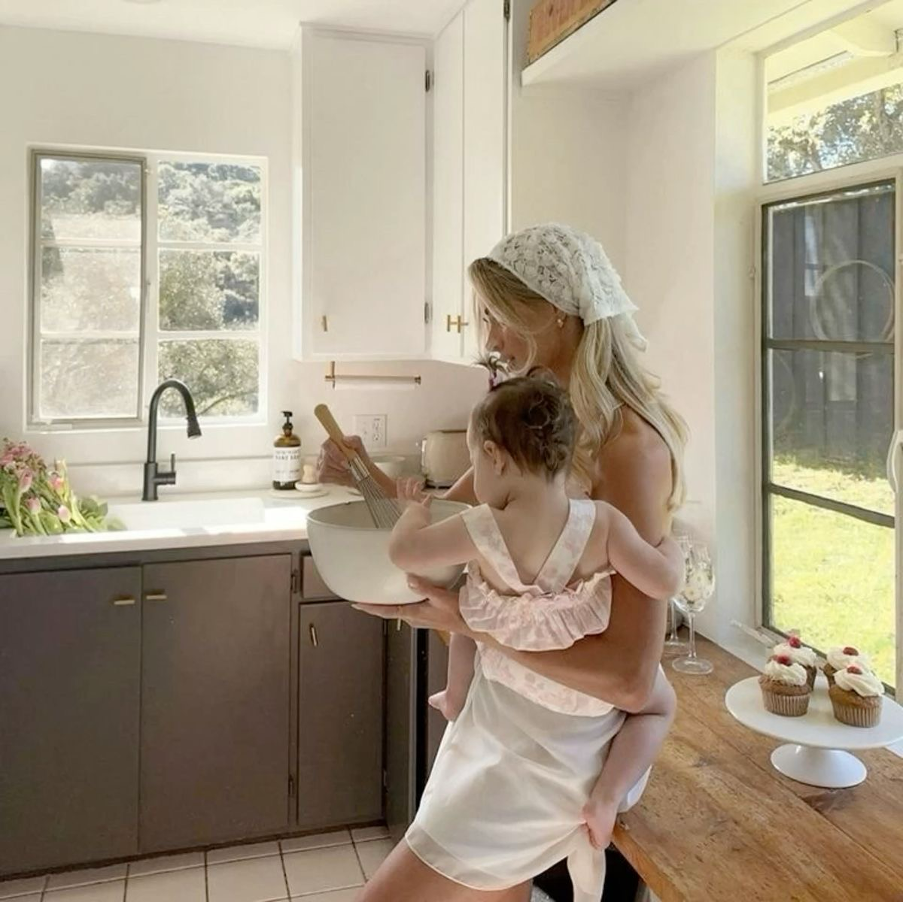
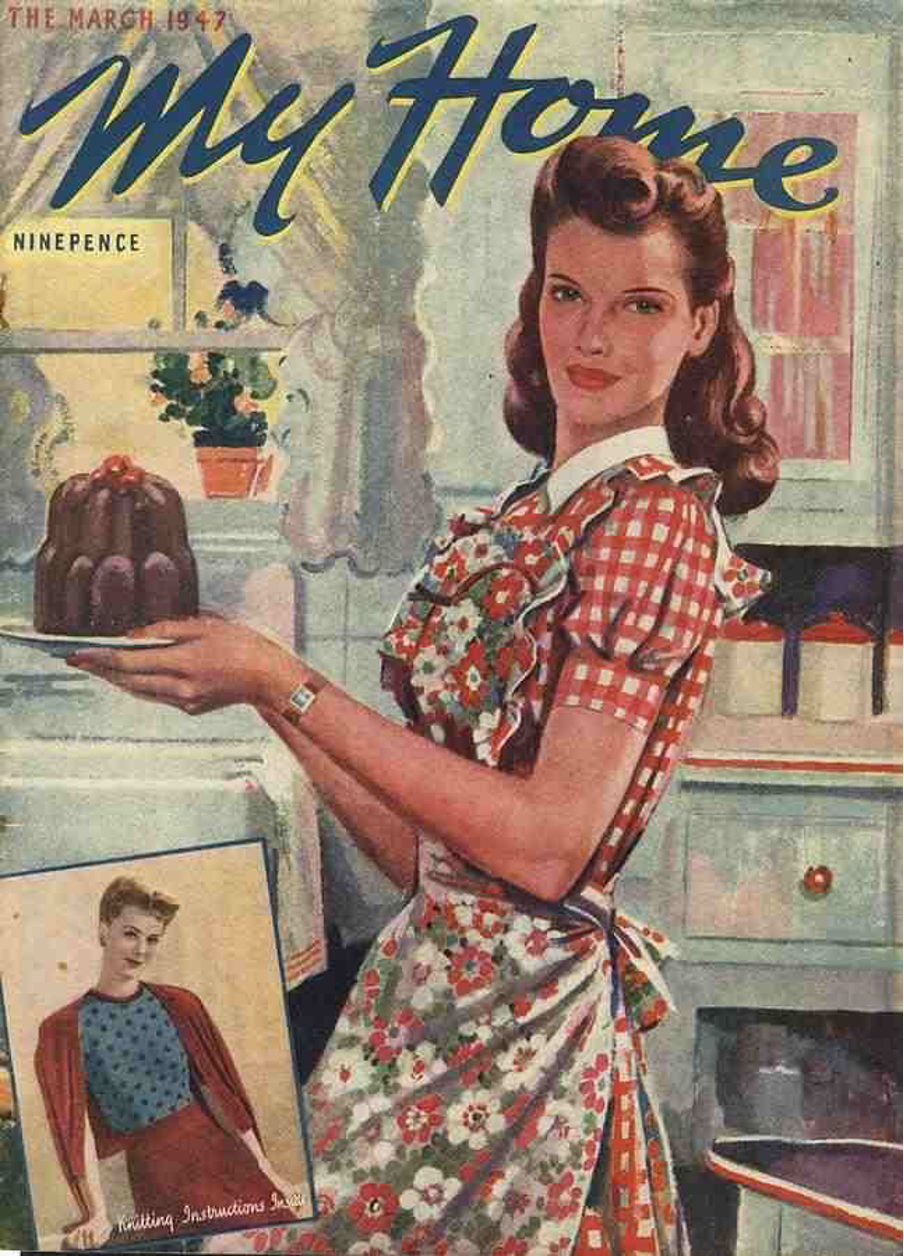
There’s also a nostalgia element at play. The aesthetic borrows heavily from an idealised version of 1950s domesticity, all gingham dresses and gleaming countertops, without much reference to the actual limitations women faced in that era.
The other side of the curtain
Here’s where it gets thornier. Researchers have repeatedly found links between tradwife content and far-right political ideology. Academic studies analysing tradwife creators on TikTok have explored how this kind of content can normalise anti-feminist views among young viewers, often packaged as lifestyle content rather than politics.
Even people inside the movement have raised the alarm. Alena Kate Pettitt, often credited as one of the trend’s earliest figures, has said publicly that the movement she helped start has been “hijacked by extremists and grifters.” That’s a striking admission from someone who was there at the beginning.
Authenticity is another sticking point. In one widely reported case, a popular tradwife account known as “Patriarchy Hannah” issued a public apology after admitting she had misrepresented her life to followers. It’s a reminder that a lot of this content is exactly that: content, shaped for an algorithm rather than an honest documentary of daily life.
And then there’s the economics. In 2025, 57.3 per cent of working-age women in the United States were in employment, compared with 35.7 per cent in 1955. The single-income, stay-at-home model glamorised in tradwife content simply isn’t accessible to most households today, whatever your views on it. For many women watching, it’s less an achievable lifestyle than a fantasy dressed up as a blueprint.
What this can mean for women and girls
This is where the conversation matters most. When impressionable audiences, particularly teenage girls, are served a steady diet of content suggesting that submission to a husband equals fulfilment, and that financial independence is somehow at odds with happiness, it can shape expectations in ways that are hard to unpick later.
There’s a real risk of financial dependency being quietly rebranded as romantic. Handing over full financial control to a partner leaves women vulnerable if a relationship breaks down, something rarely mentioned in a video about homemade granola. There’s also the pull of the algorithm itself: research into online radicalisation has shown that soft lifestyle content can act as a gateway to more extreme ideological material, without the viewer necessarily realising it’s happening.
None of this means every woman posting sourdough videos is being radicalised, or that she’s a passive victim of the content she creates. Plenty of women simply enjoy homemaking and find genuine contentment in it. Choice matters, and dismissing every tradwife as brainwashed does a disservice to the women who’ve made a considered decision about how they want to live.
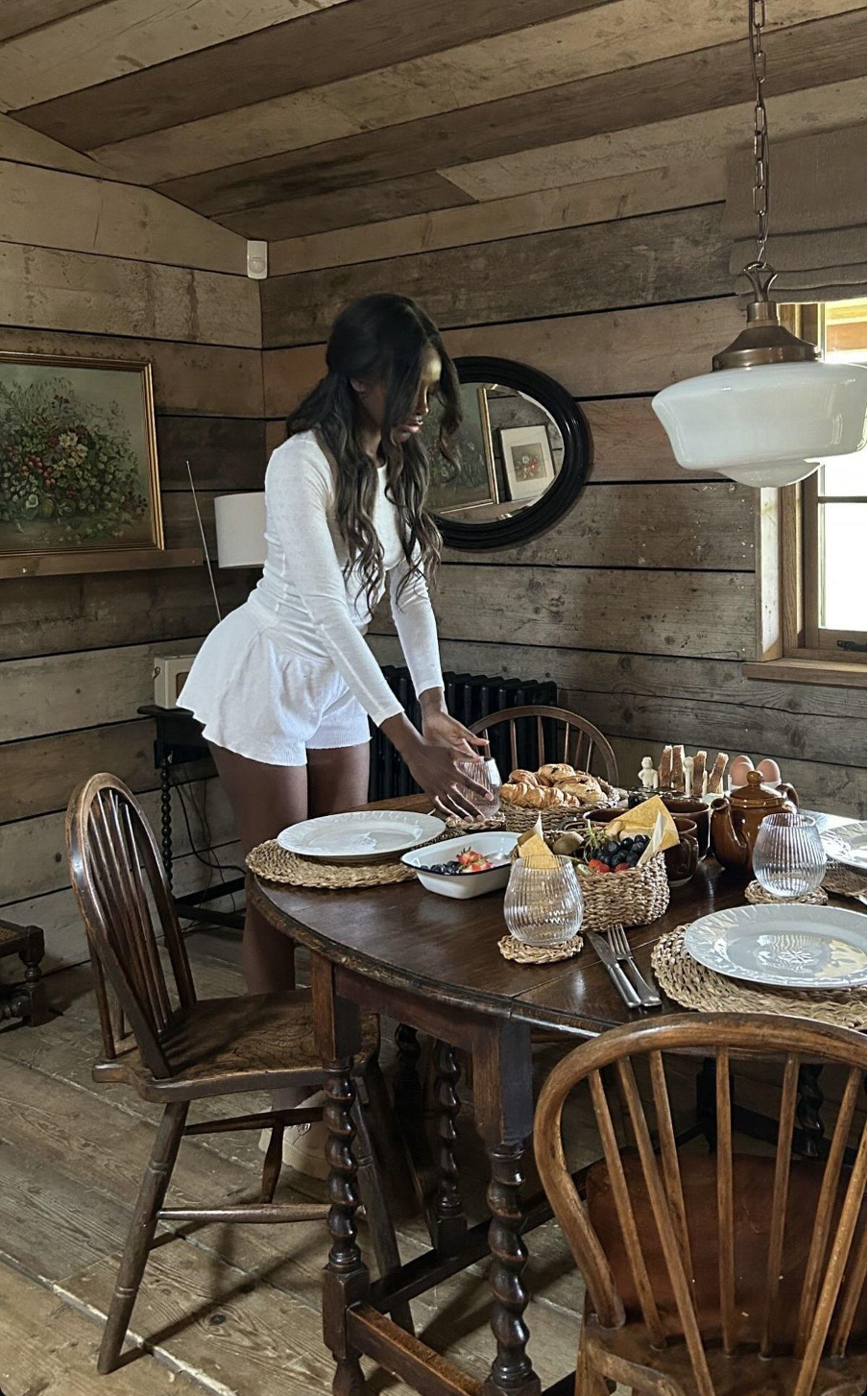
But it’s worth asking who benefits when that choice is presented as the only route to a happy, stable life, and who gets left out of the picture entirely: women who can’t afford to leave the workforce, women without partners, women whose “traditional” home lives looked nothing like a curated pastel kitchen.
The takeaway
The tradwife trend isn’t going anywhere soon, and it’s not as simple as good or bad. It taps into something real, a collective exhaustion with the pressure to do it all, and packages it in a way that’s undeniably watchable. The trouble starts when that packaging obscures the politics underneath it, or when a lifestyle choice gets marketed as the only path to a meaningful life.
Enjoy the bread-making videos if they bring you joy. Just keep one eyebrow raised while you scroll.


Comments