


How Widow’s Bay Perfects the Horror-Comedy Formula

There is a very specific feeling Katie Dippold has been chasing her whole career. She traces it back to a haunted house on the Long Branch boardwalk in New Jersey—one she was far too young to be inside. She remembers screaming. She remembers laughing so hard she could barely breathe. She remembers those two things happening at exactly the same time.

That feeling is now streaming on Apple TV+.
Widow’s Bay, Dippold’s 10-episode horror-comedy about a cursed New England island town, has spent the past few months quietly becoming the show everyone is talking about. It landed 98% on Rotten Tomatoes, earned19 Emmy nominations, including Outstanding Comedy Series, and secured a season two renewal before its finale had even aired. For a genre that often collapses under its own contradictions, that is remarkable. Horror-comedy is notoriously difficult to pull off. Lean too hard into the jokes and the scares stop landing. Lean too hard into the scares and the show forgets to be fun. Most attempts end up feeling like neither.
So what did Widow’s Bay actually get right? Dippold has repeated the same idea in interview after an interview since the show premiered, and a genuine pattern emerges. Here is the formula, broken down.
Never Let the Jokes Undercut the Fear
The single rule Dippold returns to again and again is this: comedy is never allowed to diminish the horror. Not once. Not for a good line. Not for a laugh the writers’ room adored.
She has described the process as walking a tightrope. A joke would come up in the writers’ room that made everyone howl, and then someone, usually Dippold, would decide if it undercut the tension too much to keep. The show is, in her words, a comedy first and foremost, but that does not mean the scares are decoration. She wanted the horror taken seriously enough that a genuine horror fan would still be unsettled by it, not just charmed by the quirky islanders around the edges.
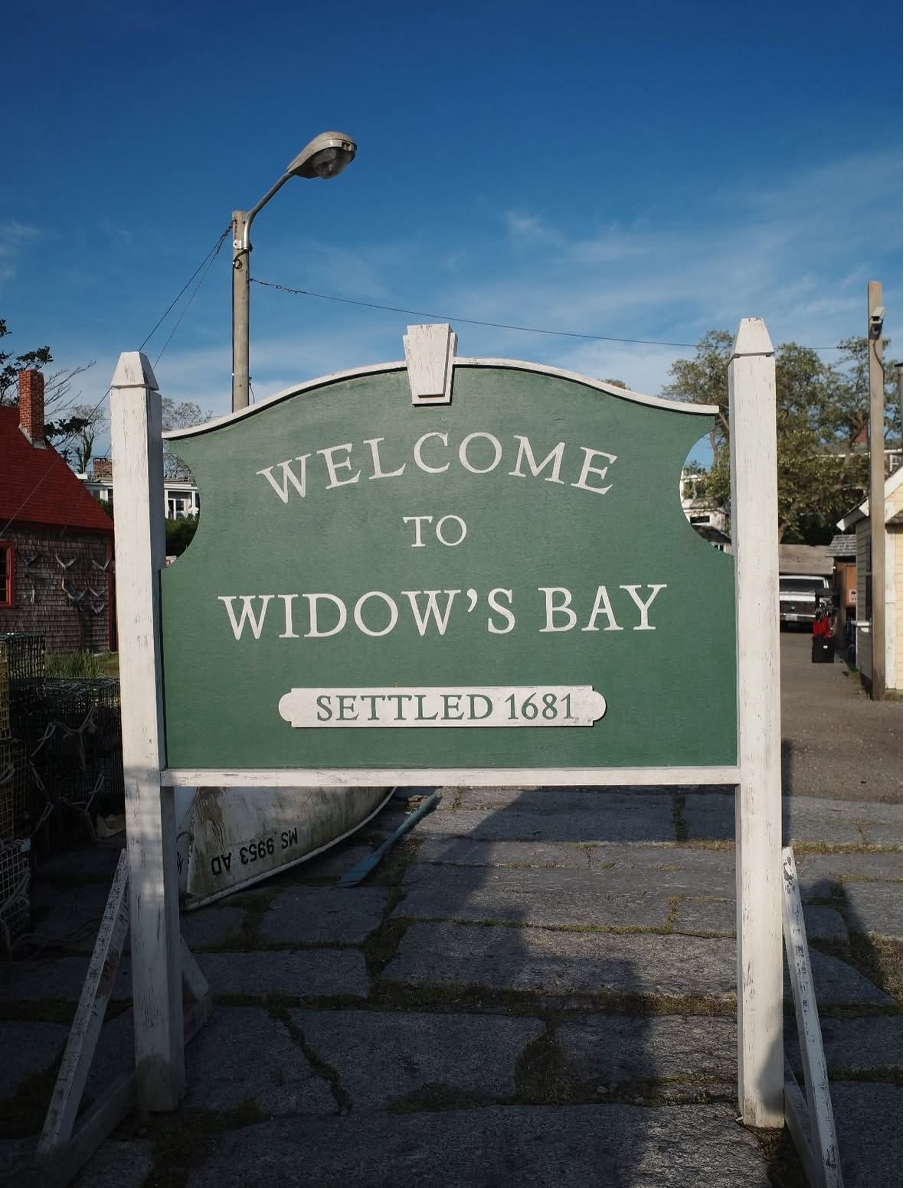
This is the opposite instinct to most horror-comedy, which tends to use jokes as a release valve the moment things get too intense, letting the audience off the hook. Widow’s Bay refuses to let anyone off the hook. The fog still rolls in with real menace. The bells still toll like something is wrong. The show earns its dread before it ever asks you to laugh at it.
Cast a Skeptic as Your Way In
Structurally, the show makes a clever choice: it follows Tom Loftis, the island’s mayor, who does not believe any of this is real. He wants tourism. He wants the ferries running. He wants Widow’s Bay to be the next big coastal getaway, and every warning from the locals sounds to him like superstition standing in the way of progress.
Dippold has said she likes the beginning of horror stories, the stretch before anyone understands what they are dealing with. And building the show around an outsider who has to be convinced gives her a way to stretch that uncertainty across an entire season.
The audience discovers the truth about the island at the same pace Tom does. When Matthew Rhys plays him staring straight at something horrifying and insists there is nothing to see, it works as both comedy and dramatic irony, because we already suspect what he refuses to.

It is a trick lifted, by Dippold’s own admission, from Jaws: the town official who will not close the beach even as the evidence piles up. Transplanting that dynamic onto an island full of ghosts, cannibals and sea hags gives the show its engine.
Staff the Writers’ Room for Range, Not Just Laughs
Most comedies hire comedy writers. Dippold did something different. Her writers’ room for Widow’s Bay mixed a handful of comedy writers with writers who specialised in drama and mythology, plus a playwright. It was, by her account, a genuinely unusual combination of temperaments in one room.
The logic follows the show’s central rule. If you want horror and comedy to share the same scene without one swallowing the other, you need people in the room who instinctively protect each half. A comedy writer might reach for the punchline. A horror-minded writer will ask whether that punchline breaks the spell. Having both perspectives arguing it out, scene by scene, is what kept the show from tipping too far in either direction.
Let the Humour Come From Character, Not the Premise
Perhaps the most useful lesson for anyone trying to understand the show’s tone: the funniest moments in Widow’s Bay are not built as jokes at all. They are ordinary character behaviour dropped into an extraordinary situation.

Dippold points to a scene where a local museum guide gives a cheerful, proud tour that happens to include the island’s witch trials, delivered completely straight, as if she were showing off a prize-winning garden. Or the mayor gesturing at an enormous cannibalism warning poster and insisting, with total sincerity, that there is nothing to worry about. None of this is written as a gag. It works because the actors play it dry and matter-of-fact, treating the horrifying as mundane, which is funnier than any scripted punchline could manage.
This is echoed by the cast themselves. Several of the actors have said there was never pressure on set to “deliver” comedy or horror as separate assignments. If the scene is played truthfully, both come out of it naturally.
Why It Is Working
Critics have landed on almost the same conclusion from different angles. Reviewers have praised the way the show keeps both scares and laughs at full strength without asking one to soften the other. They described it as sitting somewhere between prestige small-town drama and cosy sitcom, but with something else underneath that makes it distinct. The general consensus across critics is that the show succeeds precisely because it refuses to pick a lane.
That refusal is the formula. Not a trick, not a gimmick—but a genuinely difficult creative discipline: taking horror seriously enough to be frightening, taking character seriously enough to be funny, and never letting either one apologise for the other.
The Takeaway
Horror-comedy has produced a lot of misses over the years, shows that wink at the audience so often the fear never has room to breathe. Widow’s Bay works because it does the harder thing. It builds a real, frightening world first, populates it with people who feel completely genuine, and trusts that the comedy will surface on its own once the truth of a scene is in place.
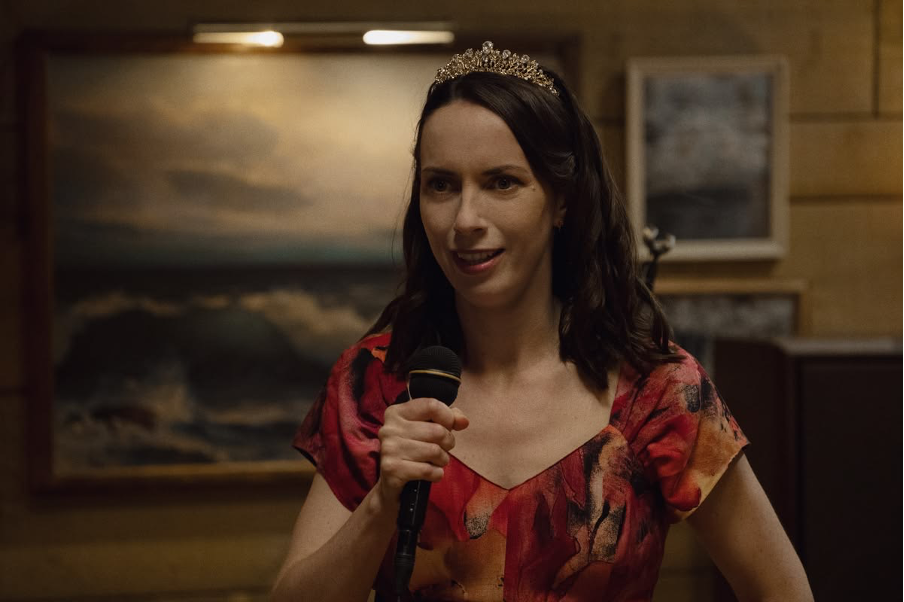
Season two is already confirmed. If Dippold keeps walking the same tightrope she has described since April, Widow’s Bay should have no trouble keeping its balance.
Edited by Joyce Kristine Culong

Comments